TO TOP

How to Stay Healthy

2026-06-27

How to stay healthy.jpg

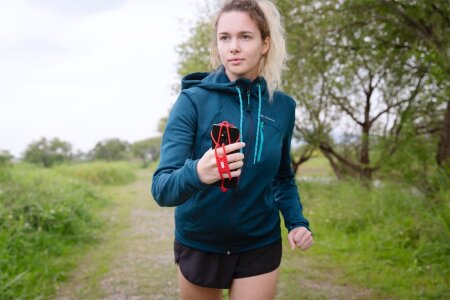
We all that physical inactivity isn’t good for our health and decreases affective well-being. But how does physical activity interact with affective well-being? To clarify this question, Bochum biopsychologists participated in a large group of scientists who compiled 67 datasets including 321,345 smartphone-based affective well-being ratings and nearly 1,000,000 h of accelerometer-measured physical activity scores. Few points should be highlighted from a spectacularly rich result pattern: First, momentary fluctuations of affective well-being importantly shape what we do and, second, strongly depend on contextual factors, especially in vulnerable groups. Third, walkability or urban green spaces are of incredible importance for humans to decide to be and to stay active. Lessons for the cities of the future.


Rehder J, Timm I, Berretz G, Reinhard I, Neubauer A, Güntürkün O, Nakamura T, Takano K, Bierbauer W, Cabrita M, Bourke M, Smyth J, Kim J, Michalak J, Curtiss J, Pannicke B, Gallagher J, Abrantes A, Cook P, Wieland L, von Haaren-Mack B, McCormick B, Hachenberger J, Vetrovsky T, Madden D, Poppe L, Sudeck G, Hollands L, Goldschmidt A, Martire L, Kanning M, Maher J, Liv Y-M, Reininghaus U, Berli C, Seiferth C, Hevel D, Leger K, Staiano A, Calza S, Liao Y, Ruissen G, CoCa Consortium, Schwerdtfeger A, Haucke M, Pham L, Liu S, Meyer-Lindenberg A, Tost H, Thomas M, Dunton G, Elavsky S, Ebner-Priemer UW, Giurgiu M, Packheiser J, Reichert M, How physical activity relates to affective well-being in humans’ everyday life: An individual participant data meta-analysis across 342,544 electronic diary ratings and accelerometry, Nature Human Behav., 2026, doi.org/10.1038/s41562-026-02427-2.

How to stay healthy.jpg

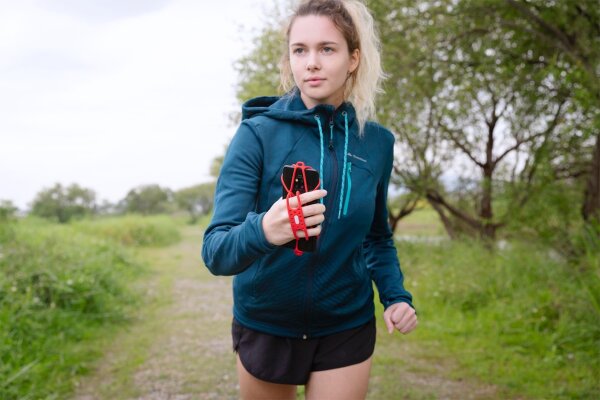
We all that physical inactivity isn’t good for our health and decreases affective well-being. But how does physical activity interact with affective well-being? To clarify this question, Bochum biopsychologists participated in a large group of scientists who compiled 67 datasets including 321,345 smartphone-based affective well-being ratings and nearly 1,000,000 h of accelerometer-measured physical activity scores. Few points should be highlighted from a spectacularly rich result pattern: First, momentary fluctuations of affective well-being importantly shape what we do and, second, strongly depend on contextual factors, especially in vulnerable groups. Third, walkability or urban green spaces are of incredible importance for humans to decide to be and to stay active. Lessons for the cities of the future.


Rehder J, Timm I, Berretz G, Reinhard I, Neubauer A, Güntürkün O, Nakamura T, Takano K, Bierbauer W, Cabrita M, Bourke M, Smyth J, Kim J, Michalak J, Curtiss J, Pannicke B, Gallagher J, Abrantes A, Cook P, Wieland L, von Haaren-Mack B, McCormick B, Hachenberger J, Vetrovsky T, Madden D, Poppe L, Sudeck G, Hollands L, Goldschmidt A, Martire L, Kanning M, Maher J, Liv Y-M, Reininghaus U, Berli C, Seiferth C, Hevel D, Leger K, Staiano A, Calza S, Liao Y, Ruissen G, CoCa Consortium, Schwerdtfeger A, Haucke M, Pham L, Liu S, Meyer-Lindenberg A, Tost H, Thomas M, Dunton G, Elavsky S, Ebner-Priemer UW, Giurgiu M, Packheiser J, Reichert M, How physical activity relates to affective well-being in humans’ everyday life: An individual participant data meta-analysis across 342,544 electronic diary ratings and accelerometry, Nature Human Behav., 2026, doi.org/10.1038/s41562-026-02427-2.